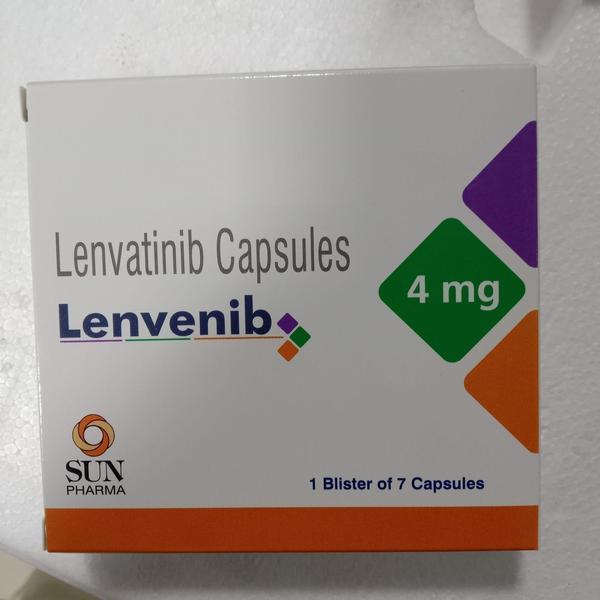
Brand Name: Lenvenib 4 mg Capsule Active Ingredient: Lenvatinib (4 mg per capsule) – a multikinase inhibitor used in cancer therapy. Drug Class: Antineoplastic agent, tyrosine kinase inhibitor (TKI) that blocks proteins promoting tumor growth and blood vessel formation (angiogenesis). Dosage Form: Oral capsules. Strength: 4 mg lenvatinib per capsule. Primary Uses / Indications : Lenvenib 4 mg is used for treatment in adults of various advanced cancers, often when other treatments are not effective: Pharmacology & How It Works : Mechanism: Lenvatinib inhibits multiple receptor tyrosine kinases including VEGFR1-3, FGFR1-4, PDGFR α, RET, and KIT — proteins that help tumors grow and form new blood vessels. It slows or stops cancer progression by cutting off oxygen/nutrient supply and reducing cancer cell growth Indications : Differentiated Thyroid Cancer (DTC) – especially if refractory to radioactive iodine. Hepatocellular Carcinoma (HCC) – unresectable liver cancer. Renal Cell Carcinoma (RCC) – advanced kidney cancer, often with other anticancer drugs (e.g., everolimus). Endometrial Carcinoma – advanced uterine cancer, frequently combined with immunotherapy (e.g., pembrolizumab). Dosage & Administration : Taken orally once daily, with or without food. Swallow capsules whole; do not crush, chew, or open. Dose adjustments are common based on side effects and patient’s condition — monitored by the treating physician. Main Medical Uses (Cancer Treatment) : Lenvenib 4 mg is an anticancer medicine used in adults for: Differentiated Thyroid Cancer (DTC) When cancer has spread or does not respond to radioactive iodine treatment. Hepatocellular Carcinoma (HCC) Unresectable (cannot be removed by surgery) liver cancer. Renal Cell Carcinoma (RCC) Advanced kidney cancer (often used with other cancer medicines). Endometrial Cancer Advanced uterine cancer, usually combined with immunotherapy (e.g., pembrolizumab). Lenvenib 4 mg capsule contains the active ingredient Lenvatinib, which is a receptor tyrosine kinase (RTK) inhibitor used as an anti-cancer medication to treat several types of advanced cancers. It works by blocking specific proteins that promote the growth of cancer cells and the development of new blood vessels that supply tumors, effectively starving them of nutrients. Primary Uses of Lenvenib 4 mg : Differentiated Thyroid Cancer (DTC): Used for the treatment of progressive or advanced thyroid cancer that is not responsive to radioactive iodine therapy. Hepatocellular Carcinoma (Liver Cancer): Used for the treatment of advanced or unresectable primary liver cancer. Renal Cell Carcinoma (Kidney Cancer): Used in combination with other medications (like everolimus or pembrolizumab) for advanced kidney cancer, particularly when previous treatments have failed. Endometrial Carcinoma (Uterine Cancer): Used in combination with pembrolizumab to treat advanced endometrial cancer that has progressed after prior treatment. How It Works : Lenvatinib is a tyrosine kinase inhibitor (TKI). It blocks proteins that: Help cancer cells grow Form new blood vessels (angiogenesis) By cutting off the tumor’s blood supply, it slows cancer growth.

USA
08048073451
+919226141973
 Chat with us
 Chat with us