Australian
08048070726
+919226990781

Items tagged with 'glp1 receptor agonist'

68179d65be22ee500d53ff54 Card 2

product image
Anti Psychotic

Brand / Product : Arpicin 30 mg Tablet Generic Name : Aripiprazole 30 mg (active ingredient) Drug Class : Atypical antipsychotic medication Formulation : Oral tablet Strength : 30 mg of aripiprazole per tablet Mechanism of Action : Partial agonist at dopamine (D2) and serotonin (5-HT1A) receptors and antagonist at 5-HT2A receptors; modulates neurotransmitter activity in the brain Aripiprazole is an atypical antipsychotic medicine that affects chemicals in the brain involved with mood and behaviour. It is widely used in psychiatric conditions where there is imbalance in neurotransmitters such as dopamine and serotonin. Arpican 30 mg contains Aripiprazole 30 mg, an atypical antipsychotic medicine that helps balance dopamine and serotonin levels in the brain. Main Uses : Schizophrenia Treats symptoms such as: Hallucinations Delusions Disorganized thinking Helps improve thinking, mood, and behavior Bipolar Disorder (Manic or Mixed Episodes) : Controls mania symptoms like: Excessive energy Irritability Impulsive behavior May be used alone or with other mood stabilizers. Major Depressive Disorder (Add-on Therapy) Used with antidepressants when depression does not fully improve Enhances the effect of antidepressant treatment Arpicin 30mg Tablet is an antipsychotic medicine. It is used in the treatment of schizophrenia (a mental disorder that can result in hallucinations or delusions and also adversely affects a person’s ability to think and behave) and mania. It can also be used to treat depression and bipolar disorders. Arpicin 30mg Tablet is taken by mouth with or without food preferably at morning. However, it is advisable to take it at the same time each day as this helps to maintain consistent level of medicine in the body.

68179d65be22ee500d53ff54 Card 2

product image
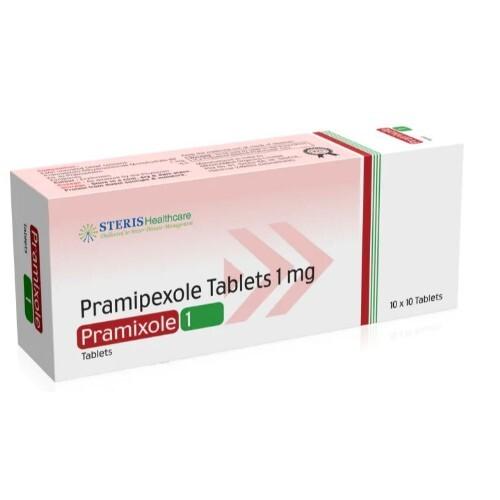
Antiparkinson agent

Generic Name (Salt): Pramipexole 1 mg (Pramipexole Dihydrochloride) — a dopamine agonist medicine. Brand / Form: Tablet (oral, standard film‑coated tablet). Strength: 1 mg per tablet. Therapeutic Class: Neurology / Antiparkinson agent (dopamine agonist). Mechanism of Action: Mimics dopamine — stimulates dopamine receptors in the brain to improve movement control. Pramixole 1 mg contains Pramipexole 1 mg, a medicine that affects the brain’s dopamine system. Main Uses : Parkinson’s Disease Helps reduce tremors, stiffness, and slow movement Improves overall motor control Often used in early-stage Parkinson’s or in combination with other Parkinson’s medicines Restless Legs Syndrome (RLS) Reduces unpleasant leg sensations and urges to move legs Helps improve sleep quality disrupted by RLS Adjunct Therapy Sometimes used alongside levodopa or other Parkinson’s medications to enhance dopamine effect Pramipexole 1 mg tablets are primarily used to treat symptoms of Parkinson’s disease—such as tremors, stiffness, and slow movement—by acting as a dopamine agonist to improve motor function. It is also prescribed for moderate to severe Restless Legs Syndrome (RLS) to reduce uncomfortable sensations and the urge to move legs. Key Uses and Information : Parkinson's Disease: Helps manage motor symptoms by mimicking dopamine in the brain. Restless Legs Syndrome (RLS): Reduces the urge to move legs, usually occurring in the evening or night. Dosage: Usually started at a lower dose and increased gradually by a doctor. Administration: Should be swallowed whole with water; can be taken with or without food. How It Works : Pramipexole acts like dopamine, a neurotransmitter necessary for controlling movement and muscle coordination. By stimulating dopamine receptors, it helps reduce movement‑related symptoms. Pramipexole mimics dopamine by stimulating dopamine receptors in the brain. This helps control movement and reduces symptoms caused by dopamine deficiency.

68179d65be22ee500d53ff54 Card 2

product image
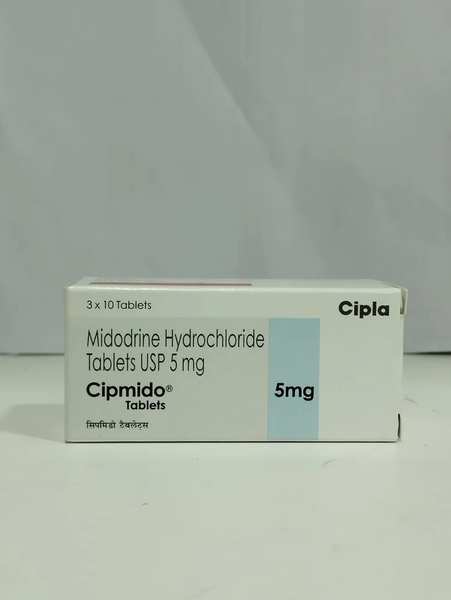
Antihypotensive Agent

Active Ingredient : Midodrine Hydrochloride 5 mg per tablet — an alpha-1 adrenergic agonist that works by constricting blood vessels to help raise blood pressure. Form & Strength : Dosage Form: Oral tablet Strength: 5 mg midodrine per tablet Pack Size: 30 tablets in a strip/bottle format (1 × 30) Therapeutic Class : Antihypotensive agent (used to treat low blood pressure) Mechanism of Action : Activates alpha-1 receptors on blood vessel walls → causes tightening (vasoconstriction) → increases blood pressure. Treatment of Orthostatic Hypotension (Primary Use) : Used to treat symptomatic orthostatic hypotension, a condition where blood pressure drops when standing up. Helps reduce symptoms like: Dizziness Lightheadedness Fainting (syncope) Blurred vision Weakness when standing Midodrine works by tightening blood vessels, which raises blood pressure. Chronic Low Blood Pressure Used in patients with: Autonomic dysfunction Neurogenic hypotension Certain neurological disorders affecting blood pressure control Cipmido 5 mg Tablet (containing Midodrine) is primarily used to treat symptomatic orthostatic hypotension, a condition causing a sudden drop in blood pressure and dizziness when standing up. It works as an alpha-1 adrenergic agonist to constrict blood vessels, increasing blood pressure and improving blood circulation. Orthostatic Hypotension: Treats low blood pressure that causes dizziness, lightheadedness, or fainting when changing positions (e.g., rising from a sitting/lying position). Managing Fainting: Helps reduce episodes of fainting or dizziness due to low blood pressure. Improving Circulation: Increases blood flow to vital organs. Key Considerations : Dosage & Usage: Typically taken orally as directed by a doctor, usually during the daytime when standing/upright. It should be swallowed whole. How It Works : Stimulates alpha-1 receptors Causes vasoconstriction (narrowing of blood vessels) Increases standing blood pressure

68179d65be22ee500d53ff54 Card 2

product image
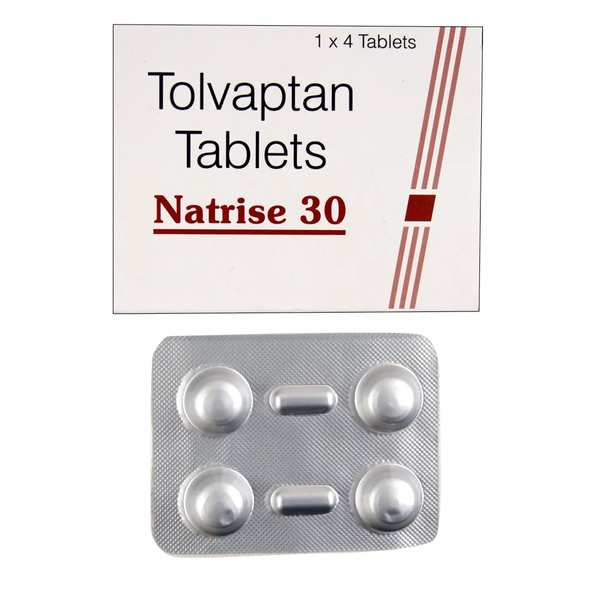
Vasopressin receptor antagonist

Generic name: Tolvaptan 30 mg Brand name: Natrise 30 Tablet (Sun Pharma & other marketers) Dosage form: Oral tablet (film‑coated tablet) Composition : Active ingredient: Tolvaptan — 30 mg per tablet Therapeutic Classification Therapeutic class: Vasopressin receptor antagonist / Electrolyte balance agent Action class: Vasopressin (V2) receptor antagonist – increases free water excretion without significant loss of sodium or potassium Route & Administration : Route: Oral (by mouth) Administration: Swallow whole with water; doses are usually once daily or as instructed by a physician Natrise 30 Tablet is a medicine used in the treatment of low levels of sodium in the blood. It treats low levels of sodium in the blood, which can result from conditions such as heart failure, cirrhosis, and syndrome of inappropriate antidiuretic hormone (SIADH). Uses : Treatment of hyponatremia (low sodium levels in the blood): Helps raise sodium levels in adults with conditions where sodium is dangerously low. This can happen in: Heart failure Liver disease / cirrhosis Syndrome of Inappropriate Antidiuretic Hormone (SIADH) By increasing urine output (without losing sodium), it reduces excess water in the body and improves sodium balance. Slowing progression of autosomal dominant polycystic kidney disease (ADPKD): It may be used to slow kidney cyst growth and decline in kidney function in adults with rapidly progressing ADPKD How It Works : Tolavaptan in Natrise blocks the effect of vasopressin (antidiuretic hormone), reducing water reabsorption in kidneys, leading to increased urine production (aquaresis) and raised serum sodium levels without significant loss of electrolytes.

68179d65be22ee500d53ff54 Card 2

product image
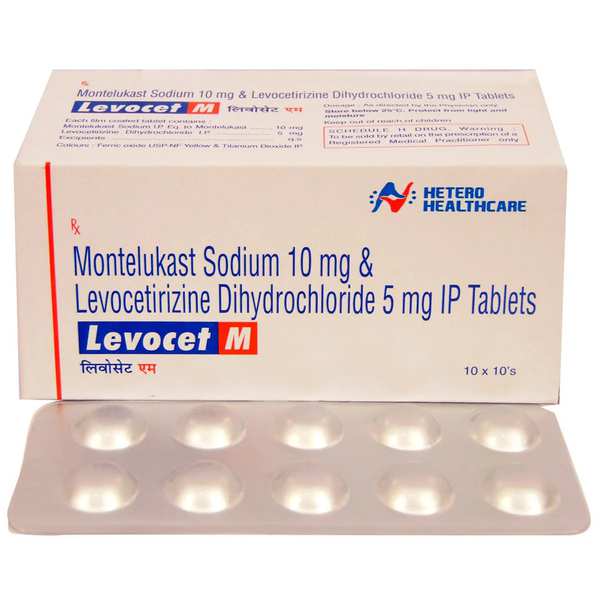
Anti Allergic Medicines

Levocetirizine + Montelukast combination tablet Composition (per tablet) : Levocetirizine – 5 mg : A second-generation antihistamine that helps block histamine-mediated allergic symptoms. Montelukast – 10 mg : A leukotriene receptor antagonist that reduces inflammation in the airways and nose Dosage Form ; Oral Film-Coated Tablet (strip of 10 tablets is common) Therapeutic Class : Anti-allergic / Respiratory Medicine – Antihistamine + Leukotriene receptor antagonist Allergic Rhinitis: Treatment of sneezing, runny nose, congestion, and watery eyes caused by allergies. Chronic Urticaria (Hives): Relief from skin allergies, itching, and red raised bumps. Asthma Management: Helps reduce airway inflammation and improves breathing. Seasonal and Perennial Allergies: Management of symptoms triggered by pollen, dust, or pet dander. Levocet-M is a prescription combination medication containing Levocetirizine (an antihistamine) and Montelukast (a leukotriene antagonist), primarily used to treat allergic conditions. It provides relief from symptoms such as sneezing, runny/stuffy nose, itchy eyes, skin rashes (urticaria), and throat irritation. It is also used to manage seasonal allergies and asthma. Mechanism of Action : Levocetirizine: Blocks H1 histamine receptors → reduces sneezing, itching, runny nose. Montelukast: Blocks leukotriene receptors → reduces airway and nasal inflammation. Together they provide broader allergy relief Indications / Uses Used to relieve symptoms of allergic conditions, including : Allergic rhinitis (seasonal and perennial) Itchy, watery eyes and sneezing Runny or blocked nose Chronic urticaria (hives) Asthma-associated allergic symptoms (long-term control, not for acute asthma attacks) Route of Administration : Taken orally, with or without food, usually once daily Levocet-M (Levocetirizine + Montelukast) is used to treat allergic conditions, including: Allergic rhinitis Sneezing Runny or blocked nose Nasal congestion Itchy nose or throat Eye allergies Itchy, red, watery eyes Skin allergies Chronic urticaria (hives) Itching and allergic rashes Allergy-related asthma symptoms Helps prevent wheezing, coughing, and breathing difficulty caused by allergies (not for sudden asthma attacks) Seasonal & perennial allergies Dust, pollen, pet hair, mold, weather changes

68179d65be22ee500d53ff54 Card 2

product image
Central nervous system

Brand / Product: Dextomid 100 mcg Injection 1 ml Generic Name: Dexmedetomidine — 100 mcg per ml solution Dosage Form: Injectable solution Route of Administration: Intravenous (IV) infusion given by a healthcare professional Therapeutic Class: Sedative / CNS (central nervous system) agent Action Class: Selective α2-adrenergic receptor agonist Composition : Dexmedetomidine 100 mcg per ml Indications (Uses) : Dexmedetomidine injection is used to provide sedation in clinical settings, especially: ICU sedation for critically ill or mechanically ventilated patients Procedural sedation during diagnostic or surgical procedures ICU Sedation: Provides sedation for mechanically ventilated patients, with a focus on ease of arousal. Procedural Sedation: Used as a sedative for awake patients undergoing diagnostic or surgical procedures. Pre-anesthetic: Helps in managing anxiety before surgery. Dextomid 100 mcg Injection (containing dexmedetomidine) is a sedative medication used to induce a calm, drowsy state (sedation) in intensive care unit (ICU) patients and during surgical or diagnostic procedures. It helps reduce anxiety and pain while allowing patients to remain responsive, often used for those on ventilators. Mechanism of Action : Dexmedetomidine works by activating α2-adrenoceptors in the brain, reducing norepinephrine release, which leads to sedation, anxiolysis, and some analgesic effects. Dextomid 100 mcg Injection (Dexmedetomidine) — Uses : Dextomid is used for sedation in hospital settings, mainly: Sedation of ICU patients, especially those on mechanical ventilation Procedural sedation during diagnostic or surgical procedures Pre-operative and post-operative sedation (to keep patients calm and comfortable) Adjunct to anesthesia to reduce anxiety and pain perception DEXTOMID Dexmedetomidine Injection USP 100 MCG

68179d65be22ee500d53ff54 Card 2

product image
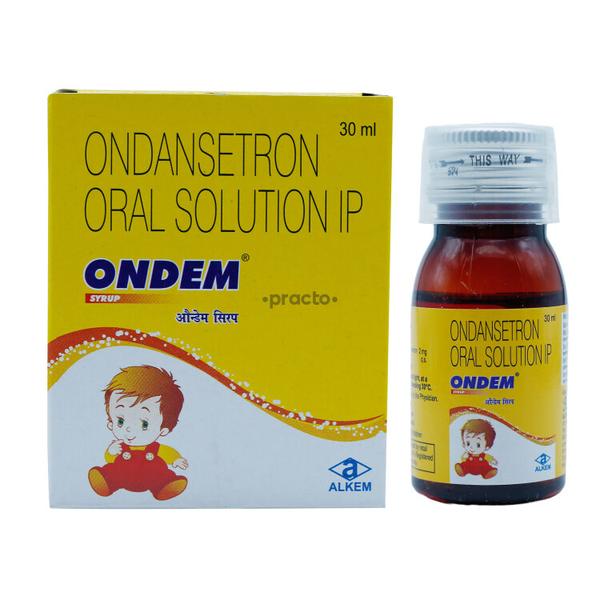
Antiemetics

Active Ingredient: Ondansetron — 2 mg per 5 ml oral syrup (a serotonin 5-HT₃ receptor antagonist). Dosage Form: Oral syrup / oral solution. Strength: 2 mg ondansetron per 5 ml of syrup. Therapeutic Class: Antiemetic (nausea and vomiting controller) — belongs to serotonin (5-HT₃) receptor antagonists. Mechanism of Action: Blocks serotonin signals in the brain and gut that trigger nausea and vomiting. Ondansetron in syrup form is especially useful when tablets are hard to swallow (e.g., in children or older patients) and helps prevent and treat nausea/vomiting by targeting specific brain receptors without causing sedation. ONDEM 2 mg syrup is used to prevent and treat nausea and vomiting. Main Uses : Nausea and vomiting in children and adults Vomiting due to stomach infection (gastroenteritis) Medicine-induced nausea and vomiting Post-operative nausea and vomiting Chemotherapy- or radiotherapy-induced nausea and vomiting Ondem 2 mg Syrup is an antiemetic medication containing Ondansetron (2 mg/5 ml), primarily used to treat and prevent nausea and vomiting in children caused by chemotherapy, radiotherapy, stomach infections, or post-surgery. It works by blocking serotonin, a chemical that triggers vomiting in the gut and central nervous system. How it Helps : Blocks serotonin (5-HT₃) receptors in the brain and gut Prevents the vomiting reflex without causing sedation

68179d65be22ee500d53ff54 Card 2

product image
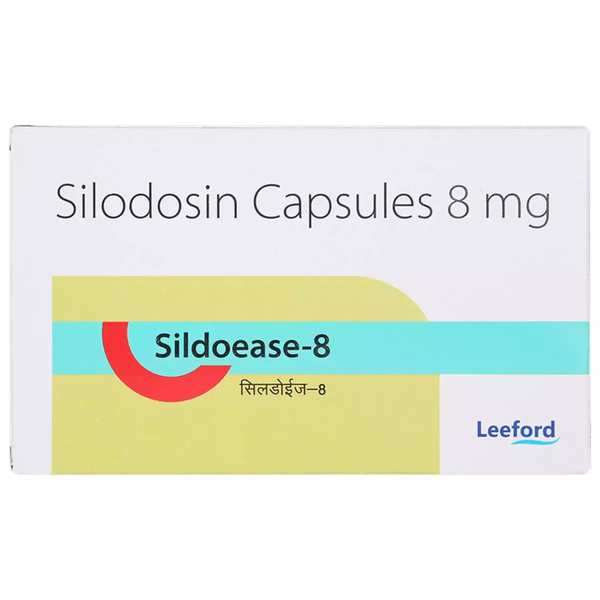
Alpha-1 adrenergic blocker or alpha-blocker

Generic Name: Silodosin Strength: 8 mg per capsule Dosage Form: Hard gelatin capsule Therapeutic Class: Urology / Alpha-1 adrenergic blocker Mechanism of Action: Silodosin is a selective alpha-1A receptor antagonist. It relaxes smooth muscles in the prostate, bladder neck, and urethra, improving urine flow and easing symptoms of urinary difficulty. Prescription Status: Prescription-only medicine (used under doctor supervision) Inactive Ingredients: (May vary by manufacturer; typical excipients include capsule shell and fillers — refer to packaging.) Storage: Store in a cool, dry place below 30 °C. Keep out of reach of children. Sildoease 8mg capsules (containing silodosin) are primarily used to treat symptoms of an enlarged prostate, known as Benign Prostatic Hyperplasia (BPH). They work by relaxing the muscles in the prostate and bladder neck, facilitating better urine flow, reducing frequent or urgent urination, and easing difficulties initiating urination. Key Uses of Sildoease 8: Benign Prostatic Hyperplasia (BPH) Treatment: Relieves symptoms such as weak stream, straining, dribbling, and incomplete bladder emptying. Urinary Urgency and Frequency Reduction: Decreases the need to urinate frequently, especially during the night (nocturia). Relaxation of Urinary Tract Muscles: Reduces muscle tension in the bladder and prostate for improved flow. Preventing Urinary Blockage: Helps prevent complete, acute urinary retention caused by an enlarged prostate. Pharmacological Notes : Silodosin targets alpha-1A adrenergic receptors predominantly found in the prostate and urethral tissues, helping to alleviate lower urinary tract symptoms with relative selectivity compared to non-selective alpha-blockers. SILDOEASE 8 mg is used to treat urinary problems caused by an enlarged prostate. Main Uses : Benign Prostatic Hyperplasia (BPH) Difficulty in passing urine Weak or interrupted urine flow Frequent urination, especially at night (nocturia) Urgent need to urinate Incomplete bladder emptying 💡 How it Helps Relaxes muscles of the prostate and bladder neck Improves urine flow Reduces straining and discomfort while urinating

68179d65be22ee500d53ff54 Card 2

product image
Anti Depressant

Active Ingredient: Trazodone Hydrochloride 100 mg per tablet — an antidepressant in the class of serotonin antagonist and reuptake inhibitors (SARI). It helps increase serotonin activity in the brain to improve mood and reduce anxiety and insomnia. Dosage Form: Oral tablet, typically taken once daily, often at bedtime due to sedative effects. Therapeutic Class: Antidepressant (SARI) — used mainly for depression, and sometimes anxiety or sleep disturbances linked with depression. Indications: Major Depressive Disorder (MDD) Anxiety symptoms associated with depression Insomnia linked to depression/anxiety (off-label use in many regions) Mechanism of Action: Inhibits serotonin reuptake and antagonizes certain serotonin receptors (5-HT2A/2C). This increases serotonin availability and modulates mood. The blockade of histamine and adrenergic receptors contributes to sedation. Typical Strength: 100 mg of trazodone hydrochloride per tablet. Packaging: Usually available in blister packs (e.g., 10 tablets per strip). Quality Standards: Manufactured under WHO-GMP and ISO quality standards (depending on producer), with standard pharmaceutical quality controls such as HPLC potency assays, dissolution testing and microbial testing. Storage: Store in a cool, dry place away from direct sunlight. Drug Name TRAZOSIG 100 mg Active Ingredient Trazodone Hydrochloride 100 mg Class Serotonin antagonist and reuptake inhibitor (SARI) Form Oral tablet Main Use Antidepressant; depressive symptoms with anxiety/insomnia Primary Uses Depression (Major Depressive Disorder) Helps improve mood, relieve sadness, and reduce loss of interest or pleasure. Common Additional / Off-Label Uses Insomnia (sleep problems) – especially when linked with depression or anxiety Anxiety symptoms associated with depression Sleep disturbances due to stress or mental health conditions Why it’s used for sleep Trazodone has a sedative effect, which helps people fall asleep and stay asleep, particularly when insomnia is related to mood disorders. Key Uses of Trazosig 100 MG Major Depressive Disorder (MDD): Effectively treats symptoms of depression. Insomnia: Used to induce and improve sleep quality due to its sedative effects. Generalized Anxiety Disorder (GAD): Helps manage anxiety and improve emotional stability. Off-label/Other Uses: Sometimes used in lower doses for pain management in neuropathy, or to manage panic disorders. Trazosig 100 mg (Trazodone Hydrochloride) is an antidepressant medication, belonging to the Serotonin Antagonist and Reuptake Inhibitors (SARI) class, primarily used to treat major depressive disorder (MDD). It increases serotonin levels to improve mood, reduce anxiety, and, due to its sedative properties, is frequently prescribed for insomnia associated with depression.

Still searching for
glp1 receptor agonist?