Thank you for writing to us. One of our executive will reach back to you through your submitted medium. In case there’s an urgency, feel free to connect over WhatsApp for faster response.
Prefer calling? Dial +918048070892 (International callers) or 08048070892 (Indian callers).
{
"_kid": "6807607b966e2a18bb4b2282",
"isarchived": false,
"websiteid": "6807607b2c7fae871fe62176",
"createdon": "2025-04-22T09:25:15.967Z",
"updatedon": "2025-04-22T09:26:03.91Z",
"_parentClassName": "business",
"_parentClassId": "6807607b966e2a18bb4b2281",
"_propertyName": "address",
"ChangedTime": "0001-01-01T00:00:00Z",
"fulladdress": "Abu Dhabi - United Arab Emirates",
"city": "United Arab Emirates",
"country": "United Arab Emirates",
"pincode": 20000.0
}
Description
Product Name: Ruxolitinib Cream (commonly marketed as Rutinib Cream 1.5%)
Form: Topical cream for skin application
Strength/Concentration: 1.5% w/w ruxolitinib (active ingredient)
Composition :
Active Ingredient:
• Ruxolitinib 1.5% w/w — a Janus kinase (JAK1/JAK2) inhibitor that modulates inflammatory and immune signaling in the skin.
Mechanism of Action :
Ruxolitinib blocks JAK enzymes involved in immune signaling (JAK1 and JAK2). This reduces inflammation, modulates immune responses in the skin, and helps control inflammatory and pigmentary processes.
Indications / Uses :
This cream is used (on medical prescription) for the topical treatment of:
Atopic dermatitis (eczema) — especially mild to moderate cases not adequately controlled by other topical therapies.
Non-segmental vitiligo — to help promote repigmentation of depigmented skin patches in patients aged 12 years and older.
Application & Administration :
Apply a thin layer directly to affected skin areas as directed by your healthcare provider.
Typically used twice daily on clean, dry skin, usually up to a limited body surface area.
Avoid contact with eyes and mucous membranes.
Rutinib cream contains ruxolitinib, a topical JAK (Janus kinase) inhibitor used to treat certain inflammatory and autoimmune skin conditions.
Key Uses and Indications :
Atopic Dermatitis (Eczema): Treats red, irritated, and itchy skin in patients with mild to moderate eczema.
Vitiligo: Used for nonsegmental vitiligo in patients 12 and older, aiding in repigmentation of the skin.
Mechanism of Action: As a Janus kinase (JAK) inhibitor, it works by suppressing immune responses in the skin to reduce inflammation.
Rutinib Cream 1.5% (containing Ruxolitinib) is a prescription topical JAK inhibitor used for the short-term treatment of mild-to-moderate eczema (atopic dermatitis) and nonsegmental vitiligo in adults and children 12 years and older. It reduces itching, inflammation, and helps restore skin pigmentation.
How It Works :
Ruxolitinib blocks JAK1 and JAK2 enzymes, which are involved in inflammatory and immune signaling pathways.
This helps :
Decrease skin inflammation
Reduce immune overactivity
Support restoration of normal skin color in vitiligo
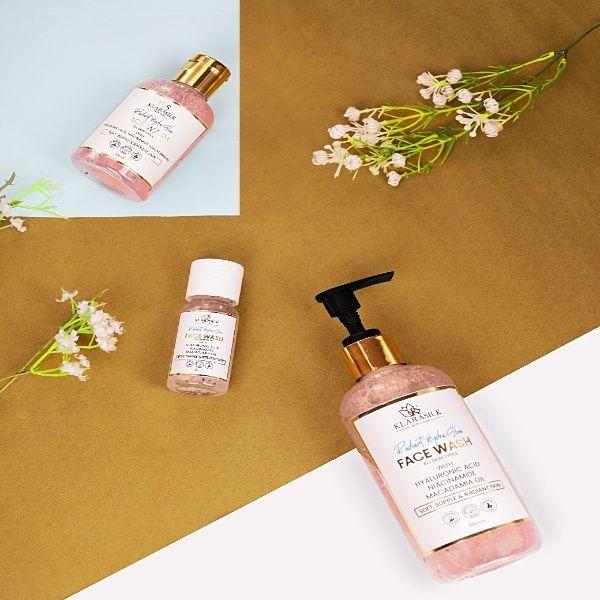
Radiant Hydra Glow Face Wash 300ml is a value-packed daily cleanser created for those who want long-lasting skincare convenience with effective and gentle cleansing in every use. Designed to remove dirt, excess oil, and everyday impurities, this face wash helps leave the skin feeling clean, refreshed, and comfortable while supporting a naturally healthy and radiant appearance. Its smooth formula works gently on the skin, making it suitable for regular cleansing as part of a consistent skincare routine.
This larger 300ml pack is ideal for families, shared use, or individuals who prefer a bigger and more economical skincare option for long-term daily use. Whether placed in the bathroom, vanity area, or personal skincare shelf, this generously sized pack offers convenience and lasting value without compromising on the refreshing cleansing experience. It is especially suitable for homes where skincare products are used regularly and where a larger quantity is preferred for practicality.
Radiant Hydra Glow Face Wash helps wash away the buildup of dirt, oil, and environmental impurities that accumulate on the skin throughout the day. After each use, the face feels cleaner, smoother, and more revived, helping restore a fresh and energized look. It can be used in the morning to awaken the skin with a clean and refreshing feel, and again in the evening to remove the residue of daily exposure, leaving the skin comfortable and well cared for.
With continued use, the skin feels soft, looks fresh, and appears more vibrant and healthy. The 300ml packaging is not only convenient for long-term use but also offers excellent utility for households, salons, hostels, or spaces where larger skincare packs are more useful. Radiant Hydra Glow Face Wash 300ml is a dependable choice for anyone seeking gentle cleansing, daily freshness, and value in one complete product.
Radiant Hydra Glow Face Wash 100ml is a daily-use face cleanser designed to gently purify the skin while helping it feel soft, refreshed, and comfortable after every wash. Its effective yet gentle formula helps remove dirt, excess oil, pollution residue, and daily buildup from the skin’s surface, making your face feel thoroughly cleansed without an uncomfortable dry or tight sensation. The smooth texture spreads easily and creates a refreshing cleansing experience suitable for regular skincare use.
This face wash is a great addition to your everyday skincare routine, especially for those who want a balance of cleanliness, freshness, and a healthy-looking glow. It helps revive the skin after long hours of exposure to dust, environmental impurities, and oil buildup, giving your face a cleaner and more energized appearance. With consistent use, the skin feels refreshed, looks clearer, and appears naturally more radiant and well cared for.
The 100ml size is a highly practical option for personal daily use at home. It offers the ideal quantity for regular skincare routines without being too bulky, making it a convenient choice for both men and women looking for a dependable face cleanser. Whether used in the morning to begin the day with a fresh feel or in the evening to wash away the day’s impurities, Radiant Hydra Glow Face Wash helps keep the skin feeling light, clean, and smooth.
Its gentle cleansing action makes it suitable for routine use and supports a simple, refreshing skincare habit. With every wash, your skin feels renewed, comfortable, and visibly fresher, making Radiant Hydra Glow Face Wash 100ml a reliable everyday skincare essential.